

Understanding Feline Chronic Kidney Disease (CKD)
Chronic Kidney Disease (CKD) is characterized by the irreversible, progressive loss of functional renal nephrons over months or years. It affects over 30% of cats over 10 years of age and remains one of the top causes of mortality in senior felines.
Early Warning Indicators
Because the healthy portions of the kidneys compensate until roughly 67-75% of function is lost, early symptoms are subtle:
- Polydipsia and Polyuria (PUPD): Noticeably drinking more water and producing larger, heavy litter clumps.
- Progressive Weight Loss: Loss of muscle mass along the spine despite normal appetite initially.
- Poor Coat Quality: Dry, unkempt coat due to subclinical dehydration.
The 4 IRIS Stages of Kidney Disease
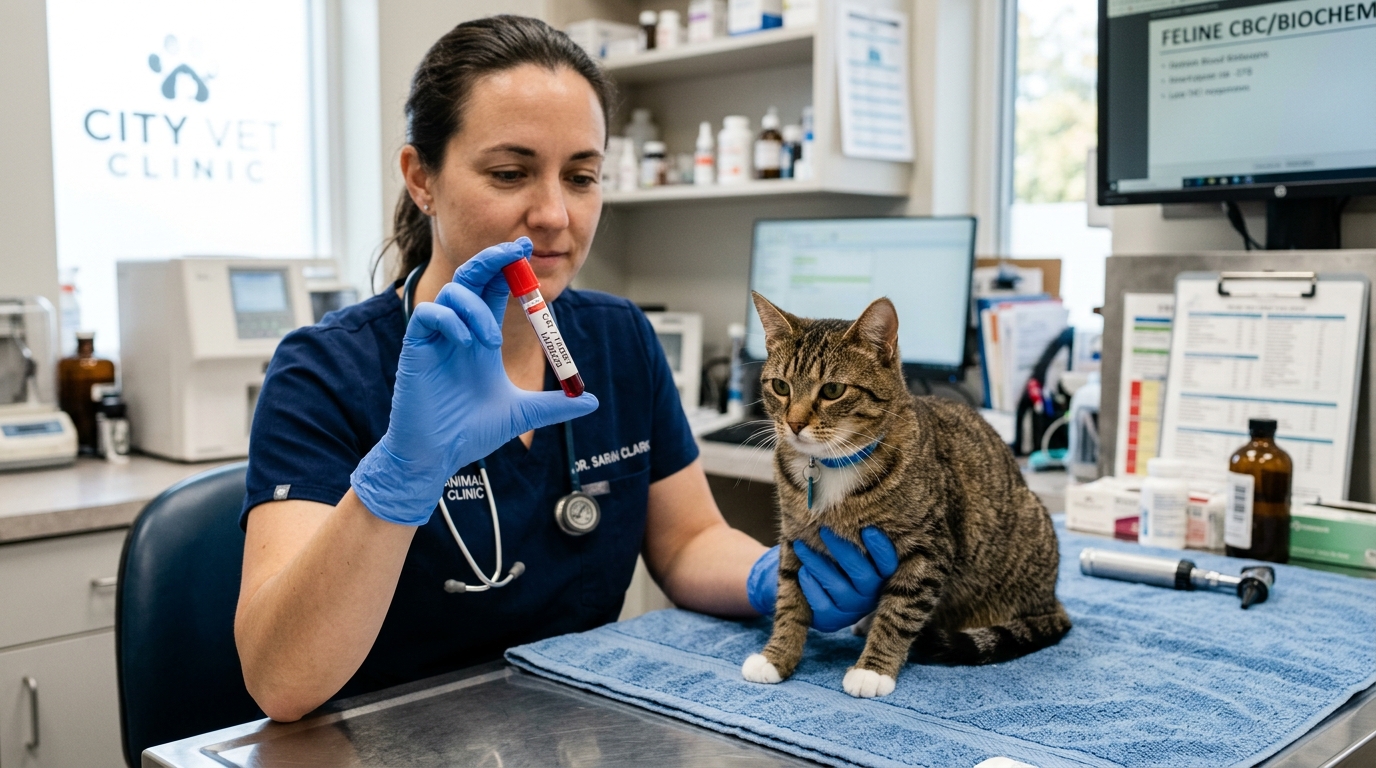
The International Renal Interest Society (IRIS) classifies CKD into four distinct stages based on stable blood creatinine, SDMA, blood pressure, and urine protein-to-creatinine ratio (UPC). Early staging allows tailored therapeutic diets with controlled phosphorus and therapeutic hydration.
Community Discussion 0
Leave a Comment
Have questions about symptoms, tests, or your cat's health? Share your comment below.