
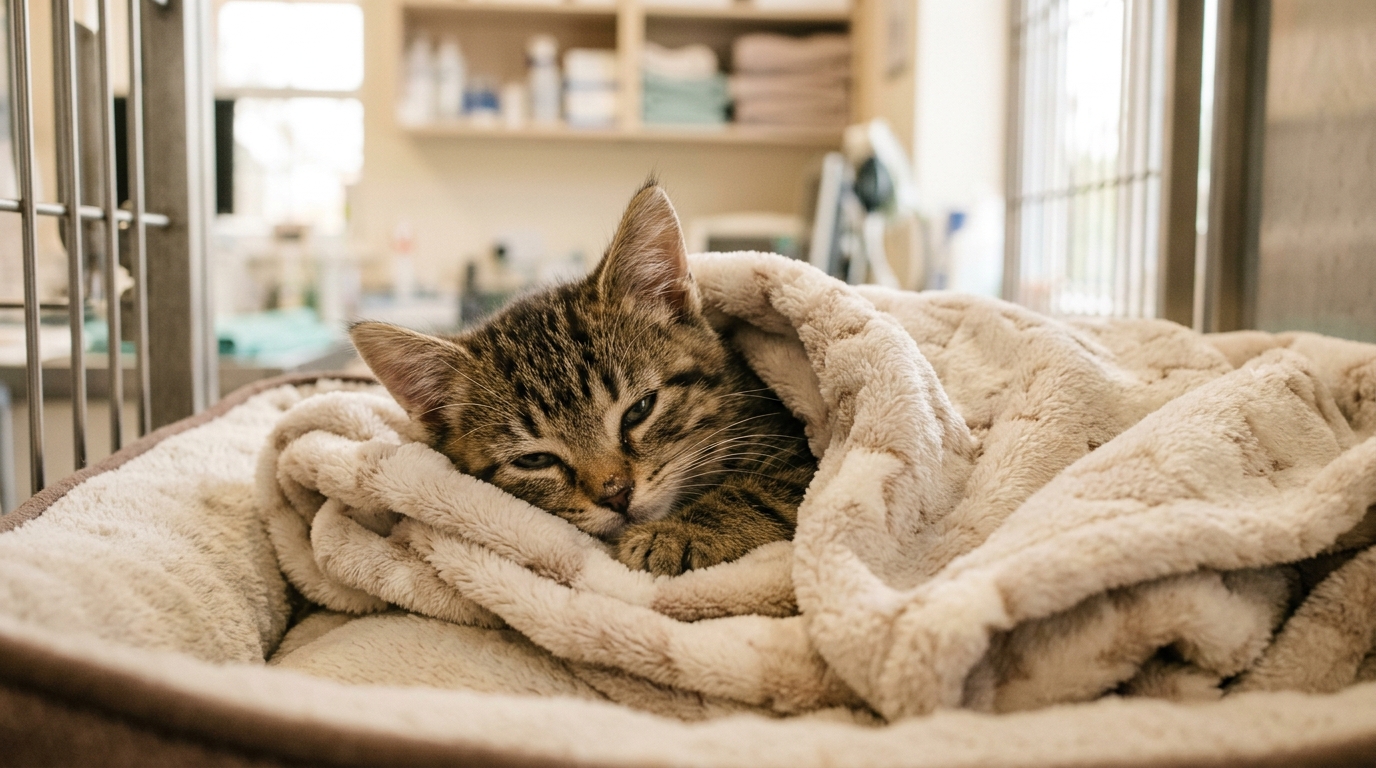
Understanding Feline Pyrexia (Fever)
A fever in cats, clinically known as pyrexia, is a regulated elevation in the cat's body temperature in response to an underlying physiological trigger. Normal feline body temperature ranges between 100.4°F and 102.5°F (38.0°C to 39.2°C). When a cat's body temperature climbs above 102.5°F, it is considered elevated, and readings above 103.5°F generally indicate a true clinical fever.
Fever is not an independent disease itself; rather, it is the immune system's adaptive biological response to fight off infections, tissue trauma, inflammation, or immune-mediated disorders. Elevated temperatures stimulate white blood cell proliferation while reducing the reproductive efficacy of many pathogenic bacteria and viruses.
Veterinary Laboratory Insight
In feline laboratory diagnostic profiles, sustained fever is frequently accompanied by a "stress leukogram" or neutrophilia with a left shift, signaling active mobilization of the innate immune system.
Common Causes of Fever in Felines
While numerous conditions can provoke a fever, veterinary clinical records show the following etiologies are most prevalent:
- Viral Infections: Feline Herpesvirus (FHV-1), Feline Calicivirus (FCV), Feline Leukemia Virus (FeLV), and Feline Infectious Peritonitis (FIP).
- Bacterial Infections & Abscesses: Fight bite wounds are one of the most common causes of acute high fever in cats due to subterranean subcutaneous pockets of Pasteurella multocida.
- Urinary Tract & Kidney Infections: Pyelonephritis and severe lower urinary tract infections.
- Fever of Unknown Origin (FUO): Cases where persistent fever lasts for several weeks without obvious physical manifestations, typically requiring extensive ultrasound and hematology screenings.
Signs & Symptoms Cat Owners Must Watch For
Because cats are master concealers of illness, detecting a fever early requires paying attention to subtle behavioral shifts:
Physical Signs
- Warm ears and dry, warm nose pad
- Rapid, shallow breathing or open-mouth panting
- Shivering or sudden localized tremors
- Loss of coat shine and grooming cessation
Behavioral Signs
- Severe lethargy and prolonged hiding in dark corners
- Complete lack of interest in treats or favorite foods (anorexia)
- Reduced water consumption or drinking excessively
- Vocalizing when touched or reluctance to jump
Diagnostic Laboratory Workup
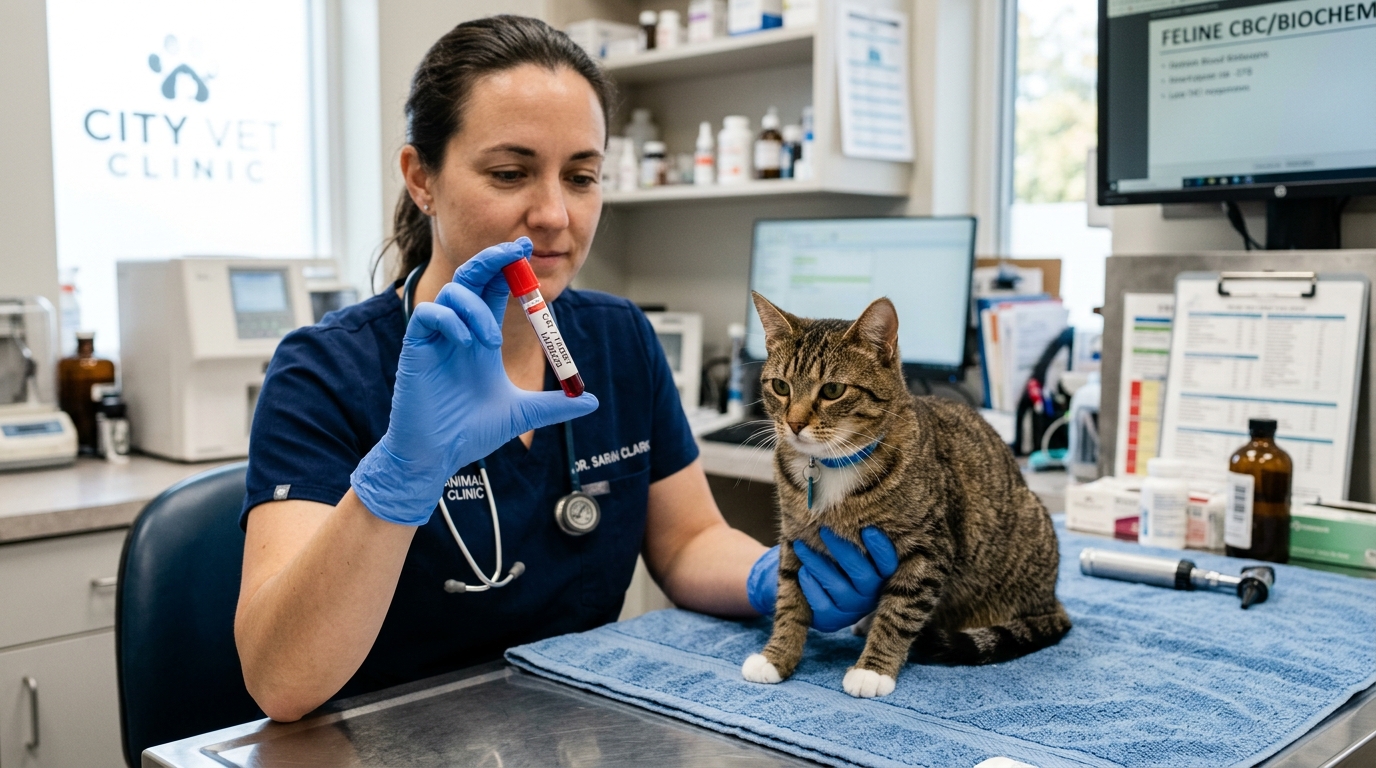
When presenting a febrile cat to a veterinary medical center, laboratory diagnostics play a pivotal role in formulating a definitive diagnosis:
| Test Panel | Diagnostic Purpose | Common Abnormal Findings |
|---|---|---|
| Complete Blood Count (CBC) | Evaluates red and white blood cells and platelets | Elevated neutrophils (neutrophilia), toxic changes, or anemia of chronic disease |
| Serum Chemistry Profile | Evaluates internal organ function (kidneys, liver, pancreas) | Elevated BUN/Creatinine (renal stress), ALT/ALP elevations, or hyperglobulinemia |
| Urinalysis & Culture | Identifies occult urinary tract bacterial colonies | Proteinuria, presence of bacteriuria, and elevated specific gravity |
| Serum Amyloid A (SAA) | High-sensitivity feline acute phase reactant marker | Rapidly skyrockets within hours of severe acute inflammation |
What to Do & Emergency Protocols
If your cat's temperature exceeds 104°F (40°C), this constitutes a medical emergency that demands prompt professional veterinary hospitalization. Keep the cat in a cool, quiet room, offer fresh chilled water, and contact your primary veterinary clinic or nearest animal emergency hospital immediately.

Community Discussion 2
Very clear breakdown of laboratory findings and temperature measurement. Thank you for this evidence-based information.
This guide helped me identify that my British Shorthair was running a fever when he became lethargic. Took him to the vet in time and he is doing great now!
Leave a Comment
Have questions about symptoms, tests, or your cat's health? Share your comment below.